| Dow Jones | 52,485 |
| S&P 500 | 7,489 |
| Nasdaq | 25,373 |
| 2 Yr Treasury | 4.28% |
| 10 Yr Treasury | 4.75% |
| 10 Yr Municipal | 3.32% |
| High Yield | 7.16% |
| Dow Jones | 9.20% |
| S&P 500 | 9.41% |
| Nasdaq | 9.17% |
| MSCI-EAFE | 9.80% |
| MSCI-Europe | 7.55% |
| MSCI-Far East | 15.35% |
| MSCI-Emg Mkt | 18.62% |
| US Agg Bond | -0.69% |
| US Corp Bond | -0.83% |
| US Gov’t Bond | -0.80% |
| Gold | 4,121 |
| Silver | 58.50 |
| Oil (WTI) | 84.52 |
| Dollar / Euro | 1.14 |
| Dollar / Pound | 1.34 |
| Yen / Dollar | 161.67 |
| Canadian /Dollar | 0.71 |
Macro Overview
Uncertainty over control of the Strait of Hormuz continued to steer oil prices in both directions throughout July, as threats to the safe passage of tanker traffic disrupted global energy markets. The instability fueled elevated volatility and sharp price fluctuations. The conflict’s ultimate outcome remains closely tied to the Strait of Hormuz and the restoration of uninterrupted oil flows through the critical waterway.
Federal Reserve officials remained divided over the path of interest rates and whether additional rate cuts remain appropriate. The lack of consensus among policymakers has unsettled fixed-income markets and complicated corporate planning and capital spending forecasts.
U.S. Customs and Border Protection has refunded approximately $100 billion in tariffs, following a Supreme Court directive issued in February. Those repayments account for roughly 60% of the $165 billion collected from U.S. businesses on imported goods and components subject to tariffs imposed by the administration last year.
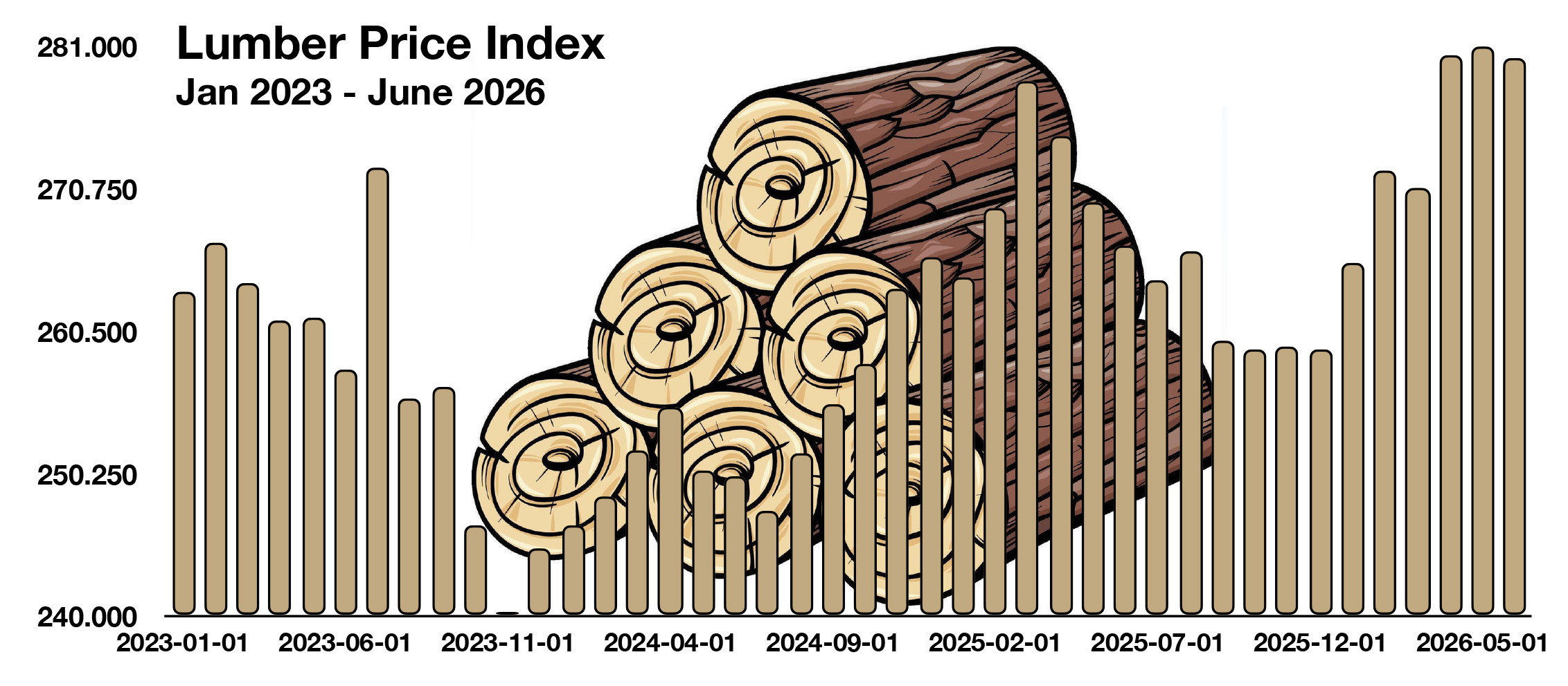
Higher lumber prices continue to weigh on the housing market, driven by tariffs on Canadian timber imports and the closure of numerous lumber mills in both the U.S. and Canada. Because more than 90% of U.S. homes are built with wood-frame construction, lumber remains an essential input for new residential development and renovation projects.
The average rate on a 30-year fixed mortgage rose to 6.69% in July, its highest level since July 2025. According to Freddie Mac data, Americans now need to earn nearly $110,000 annually to afford the typical home listed for sale in the United States. While starter homes have traditionally offered a more affordable entry point for buyers, rising renovation costs are making them increasingly difficult to attain.
The strongest El Niño pattern in 76 years is expected to disrupt agricultural production worldwide through extreme drought and flooding, potentially pushing nearly 49 million additional people into acute hunger by the end of 2027. Excessive rainfall and elevated temperatures are projected to damage crops across both hemispheres, tightening food supplies and driving prices higher around the globe.
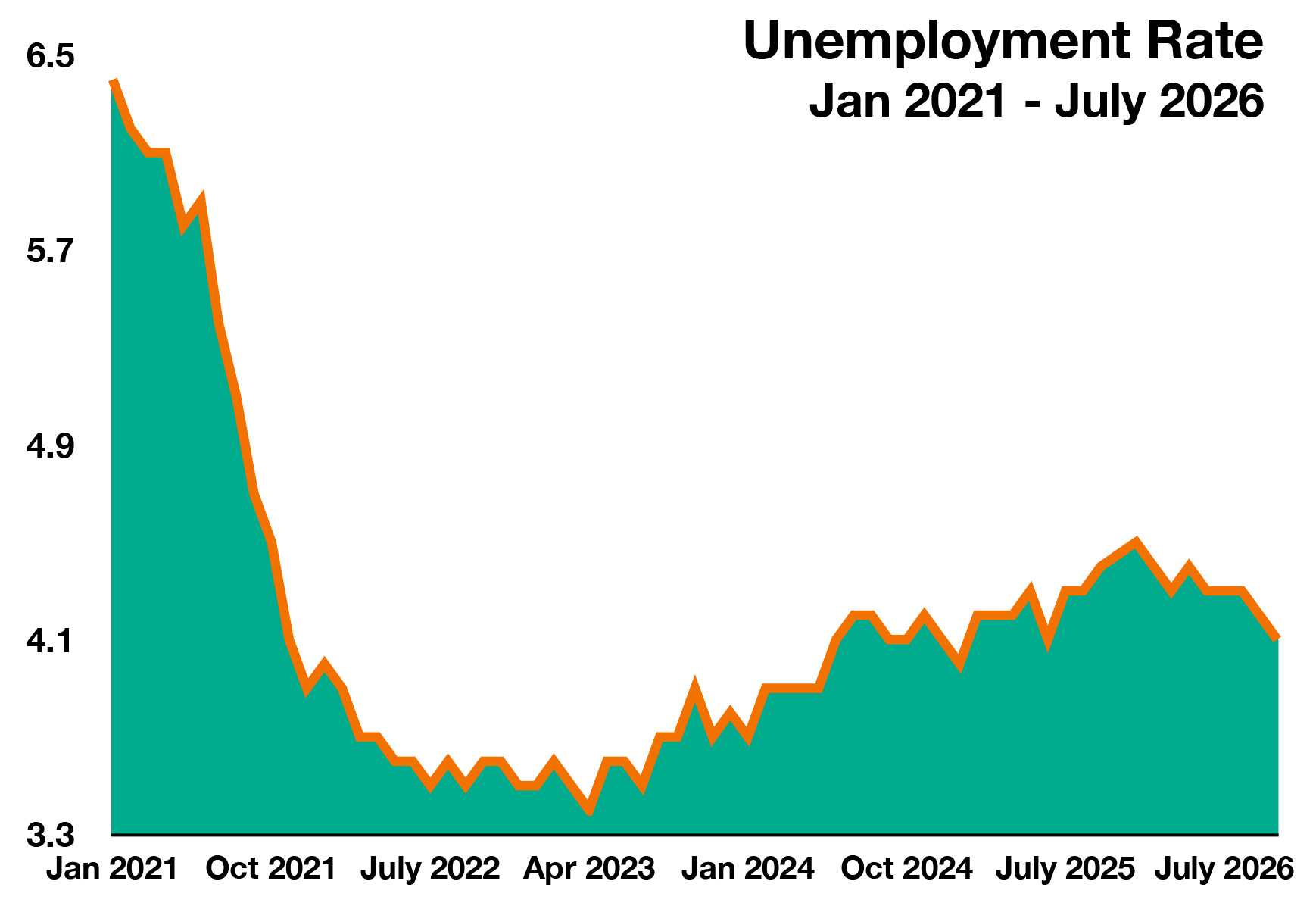
U.S. employment unexpectedly declined in July, with payrolls falling by 23,000 jobs, well below economists’ expectations for an increase of 83,000. Revisions to May and June data also showed the economy created 103,000 fewer jobs than previously reported. The Federal Reserve closely monitors labor-market conditions as a key indicator of economic strength and inflationary pressure.
Artificial intelligence is rapidly transforming medical technology by accelerating drug discovery, improving diagnostic accuracy in radiology and pathology, enabling real-time surgical guidance, and tailoring treatment plans to individual patients. As the technology matures, a growing number of physicians and healthcare systems are integrating AI into clinical practice and patient care. (Sources: FreddieMac, Dept. of Labor, BLS, NOAA, National Institutes of Health, National Association of Homebuilders, U.S. Customs & Border Protection)
Fed on Fence With Rate Direction – Fixed Income Overview
Federal Reserve officials grew increasingly divided in July as persistent inflation concerns and a surge in artificial intelligence-related investment reinforced the central bank’s reluctance to lower interest rates in the near term. The yield on the 30-year U.S. Treasury bond climbed to a 19-year high in late July, exceeding levels last seen in 2007 and moving above 5.25%. Treasury yields experienced sharp swings throughout the month as uncertainty surrounding oil prices fueled renewed concerns that inflation could remain elevated for longer than anticipated.
Oil prices have increasingly become a key gauge of the direction of interest rates. Because higher energy costs raise manufacturing, transportation, and operating expenses across the economy, rising oil prices can intensify inflationary pressures and strengthen expectations that interest rates will remain higher for longer. (Sources: U.S. Treasury, Dept. of Energy, Federal Reserve)
Heightened Rates & Oil Prices Stoke Volatility – Domestic Equity Overview
Energy stocks continued to outperform the broader market in July and on a year-to-date basis, supported by elevated oil prices and growing electricity demand fueled by the rapid expansion of AI data centers. At the same time, higher energy and fuel costs have increased pressure on margin-sensitive industries, weighing on profitability across certain sectors. Major U.S. equity benchmarks, including the S&P 500, Dow Jones Industrial Average, and Nasdaq Composite, each posted gains of roughly 9% year to date through the end of July. The unusually similar performance across the major indices reflects a market driven largely by macroeconomic forces, with relatively limited divergence among individual stocks and sectors. (Sources: Dow Jones, S&P, Nasdaq, Bloomberg)
Employment Market Stabilizing – Labor Market Update
Labor market conditions remain central to the health of the U.S. economy, influencing both consumer confidence and spending behavior. On a positive note, hiring strengthened in June as layoffs stabilized and consumers continued to spend at a healthy pace. However, despite the unemployment rate declining to 4.1% in July, labor market data continue to present mixed signals about the underlying stability of employment. Recent reports indicate payroll growth has moderated from the rapid gains experienced during the post-pandemic recovery period. Economists generally view the labor market as transitioning to a more sustainable phase characterized by slower, steadier wage increases.

Jobless claims remain relatively low, a sign that employers are not broadly reducing headcount and that large-scale layoffs have, for now, remained contained. At the same time, businesses appear to be adopting a more cautious approach to hiring, resulting in fewer job openings and a slower pace of recruitment. Healthcare, professional services, and social assistance have remained areas of strength, while weakness in sectors such as leisure and hospitality has offset gains across other parts of the economy. (Sources: BLS, Dept. of Labor)
Elevated Lumber Prices Are Affecting The Housing Market – Housing Sector Overview
The housing market is facing mounting pressure from several converging forces, including higher mortgage rates, weakening pending home sales, softer buyer demand, and growing inventory levels. Together, these trends have contributed to a more challenging environment for both homebuyers and sellers, slowing activity across many regions of the country.
Rising lumber prices have added to the sector’s headwinds, driven by tariffs on imported Canadian timber and the closure of numerous lumber mills in both the United States and Canada. Because more than 90% of U.S. homes are built using wood-frame construction, lumber remains a critical input for residential building and renovation projects, making higher material costs a significant obstacle for the housing industry.

Housing construction and renovation projects have become increasingly expensive since pandemic-era supply disruptions strained the industry, with skilled labor shortages and higher material costs driving up expenses for homeowners. At the same time, rising mortgage rates have further eroded affordability by increasing monthly borrowing costs for prospective buyers. As financing and building costs remain elevated, the housing sector continues to face significant challenges to growth and affordability. (Sources: Federal Reserve Bank of St. Louis, National Association of Homebuilders)
How AI Is Impacting Consumer Behavior – Technology Advancement
Artificial intelligence is increasingly serving as a daily assistant for consumers, reshaping how people search for information, evaluate options, make purchasing decisions, and form trust in the information they receive. A growing number of consumers now rely on AI for quick, concise answers, while usage of traditional search engines and direct website visits has declined. Rather than navigating multiple websites, users can obtain AI-generated summaries that streamline the research process. AI also helps consumers evaluate numerous alternatives by comparing products, narrowing choices, and highlighting trade-offs, making decision-making faster and more efficient.
Consumers are increasingly turning to AI as a shopping tool instead of visiting individual retailer websites. By consolidating product information, brand comparisons, and pricing details into a single search experience, AI simplifies the purchasing process. As AI compresses the time required to research and compare options, purchasing decisions can be made more quickly than in the past. These advances are enabling consumers to identify suitable products faster, while encouraging retailers to compete more aggressively on price, features, and overall value. Notably, consumers appear increasingly willing to trust AI for practical decision-making, though many still prefer human interaction for more complex matters. At the same time, a growing number of companies are deploying AI-powered customer service agents capable of closely mimicking human conversation and communication styles. As AI adoption continues to expand, its integration into commerce is expected to make online transactions more efficient, convenient, and cost-effective for consumers. (Sources: Dept. of Commerce, FTC, Consumer Reports)
Effects Of An Aging U.S. Population On Medicare Benefits – Medicare Update
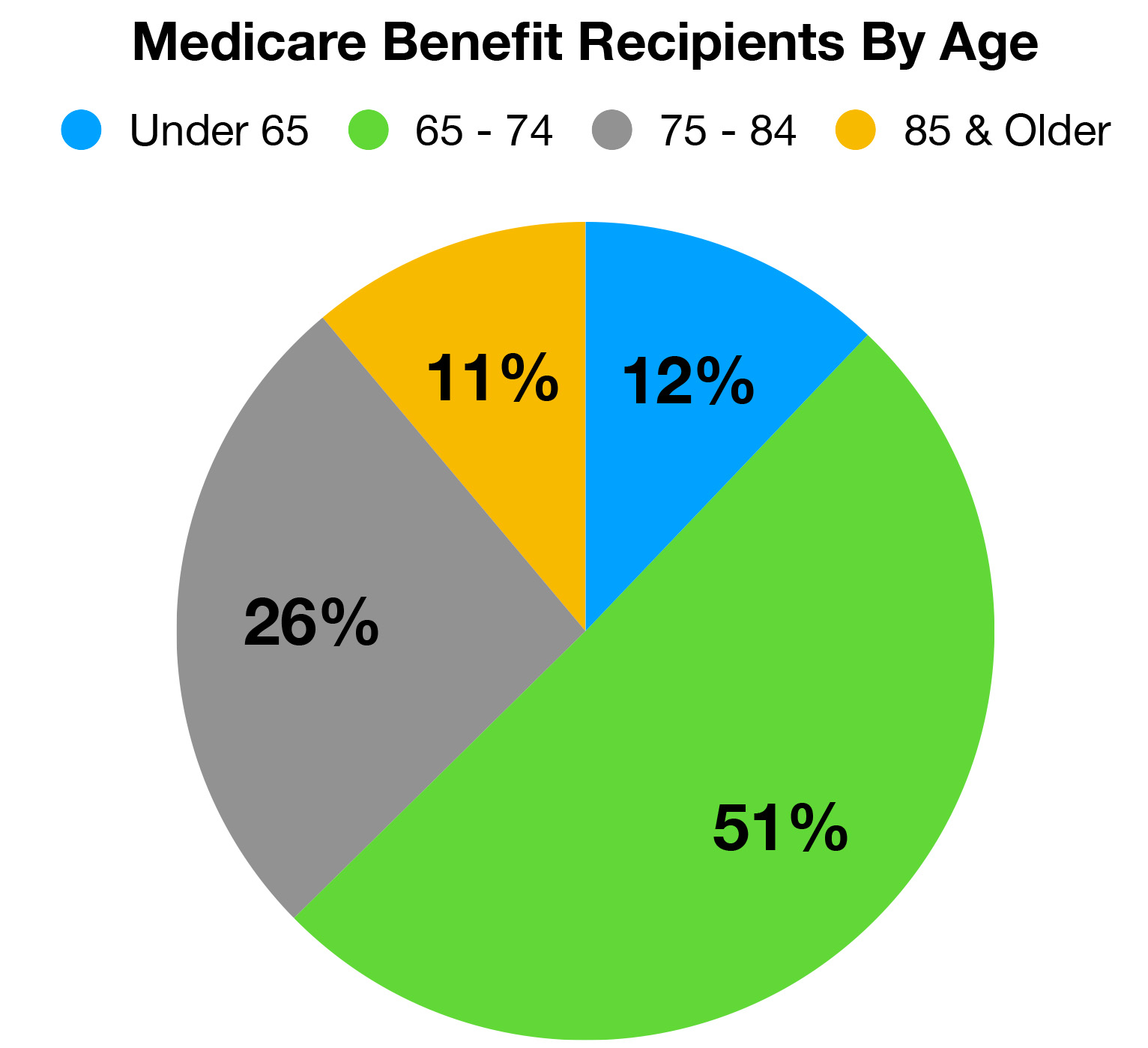
An aging U.S. population is placing increasing pressure on Medicare finances as a growing number of retirees draw benefits while a smaller share of active workers contributes payroll taxes that help fund the program. The demographic imbalance is raising concerns about the long-term sustainability of Medicare and the government’s ability to meet rising healthcare obligations.
Millions of Baby Boomers, born between 1946 and 1964, have steadily transitioned into Medicare, adding significantly to benefit expenditures. As enrollment continues to expand, healthcare costs are expected to rise further in the coming years. Medical utilization typically increases with age, particularly among individuals in their 80s and 90s, resulting in greater demand for specialized treatments, chronic disease management, and other high-cost healthcare services.

Medicare Part A is funded primarily through payroll taxes, making the program heavily dependent on the size and growth of the U.S. workforce. As birth rates have declined and labor-force growth has slowed relative to the expanding retiree population, the number of workers contributing to the system has not kept pace with the growing number of beneficiaries drawing Medicare benefits. According to the Medicare Board of Trustees, the Hospital Insurance Trust Fund, which finances Part A inpatient hospital services, is projected to be depleted in the early 2030s. Absent legislative action, incoming payroll tax revenue would be sufficient to cover only a portion of scheduled benefits, increasing pressure on policymakers to address the program’s long-term funding challenges before that deadline is reached.
Sources: SS.gov, Medicare.gov, Centers For Medicare & Medicaid Services