Innovative Financial Partners

12000 North Pecos Street, Suite 290

Westminster, CO 80234

303.755.1298

www.innovativefinancialpartners.com

March 2026
Market Update
(all values as of 02.28.2026)

Stock Indices:

Dow Jones 48,977
S&P 500 6,878
Nasdaq 22,668

Bond Sector Yields:

2 Yr Treasury 3.38%
10 Yr Treasury 3.97%
10 Yr Municipal 2.49%
High Yield 6.55%

YTD Market Returns:

Dow Jones 1.90%
S&P 500 0.49%
Nasdaq -2.47%
MSCI-EAFE 9.93%
MSCI-Europe 7.68%
MSCI-Far East 14.80%
MSCI-Emg Mkt 14.69%
 
US Agg Bond 1.75%
US Corp Bond 1.47%
US Gov’t Bond 1.64%

Commodity Prices:

Gold 5,296
Silver 94.38
Oil (WTI) 67.29

Currencies:

Dollar / Euro 1.18
Dollar / Pound 1.35
Yen / Dollar 156.05
Canadian /Dollar 0.73

Macro Overview

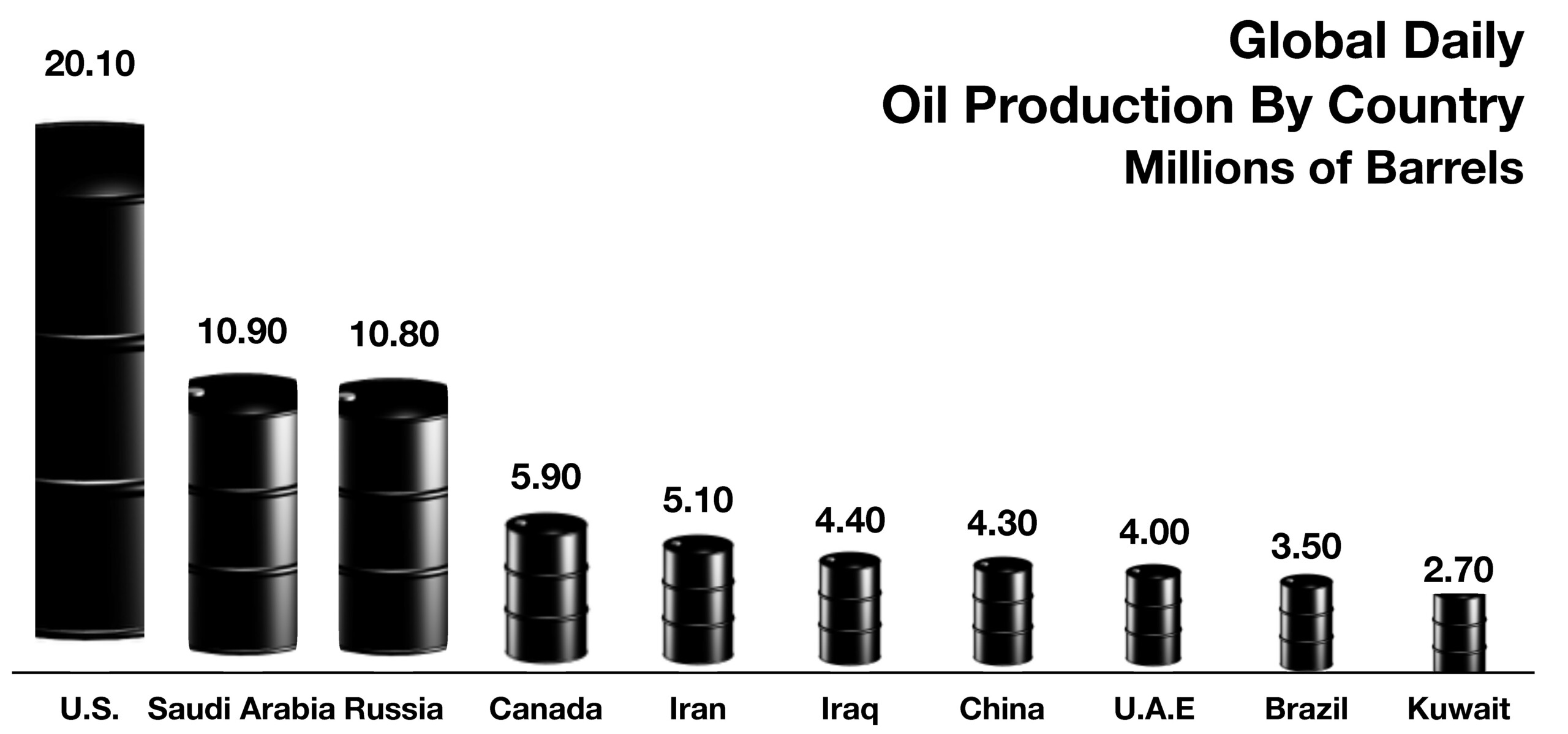
The most significant effects of the Middle East conflict imposed on the U.S. financial markets have been heightened inflationary fears, brought upon by elevated oil and gasoline prices, and rising Treasury yields. International markets have been more affected by the conflict in the Middle East than have U.S. markets. As the world’s largest oil and natural gas producer, the United States has emerged as the world’s leading energy provider, whereas other countries have become increasingly reliant on U.S. oil and natural gas. 

Oil is at the center of concern surrounding the Iranian conflict, with over 20% of global oil shipments passing through the Strait of Hormuz. Iran has pledged to destroy any ship attempting to navigate through the Strait, igniting fears that oil tankers may be held captive and immobilized.

The attack on Iran has reverberated across the Middle East, affecting numerous countries with the threat of infrastructure and economic damage. Any escalation of the conflict could further jeopardize energy markets and travel in the region.

China’s involvement with the conflict has been limited, but expected to escalate since over 90% of Iran’s oil exports are sold to China, representing nearly 15% of China’s oil imports. China has been circumventing U.S. sanctions imposed in 2018 by buying oil from Iran, essentially illegally.

Fed rate cuts are in question as the Fed grapples with the onslaught of new inflationary tensions and feeble employment. Prospects of a Fed rate cut diminish as inflation threats rise, hindering its ability to buffer a weakening jobs environment with lower interest rates.

A federal trade-court judge ruled that the U.S. government will be required to start refunding the more than $130 billion it has collected with last year’s imposed global tariffs, which were invalidated by the Supreme Court in January. Over 1,800 U.S. corporations are seeking reimbursements from the U.S. government for tariffs paid thus far.

Rising oil prices along with the federal court ruling ordering the government to pay back tariffs have dealt a setback to Treasury bonds, with rising yields and falling prices. Elevated Treasury yields translate into higher borrowing costs for consumers, which may hinder economic expansion.

The Labor Department reported that the U.S. lost 92,000 jobs in February, surprising economists and analysts that were expecting job gains, not losses. The unemployment rate edged slightly higher to 4.4%, albeit still low relative to the pre-pandemic high of 10% in October 2009. The most recent data exposes continuous weakness in a labor market that has exhibited minimal hiring growth in the past few months.

Growing inflation concerns along with a faltering jobs market present the emergence of stagflation, rising prices simultaneously with slowing economic growth. Weak employment expansion and a rising unemployment rate can lead to stagnant economic growth, due to lessened consumer expenditures which is the key to a healthy economy. (Sources: Labor Dept, Fed, U.S. Treasury, Dept. of Commerce, International Energy Agency)
 
the average credit card interest rate is approximately 22%

Inflationary Flare Up Stirs Treasuries – Fixed Income Overview

Falling long-term yields since January have spilled over into mortgage loans, where rates for a 30-year fixed mortgage fell below the 6% threshold in February, marking the first time in 3½ years according to Freddie Mac.

For decades, global conflicts and war have prompted a migration to Treasuries as a safe haven in order to mitigate market volatility and risk driven by periods of instability and uncertainty. The Iranian conflict ushered in a different direction for Treasuries, as the risk of inflation increased due to constrained oil shipments through the Strait of Hormuz, driving Treasury prices lower.

Also weighing on Treasuries is the probability that if the conflict lingers longer than anticipated, then the U.S. government might need to issue new Treasuries in order to help finance the costs of an ongoing war. As the U.S. issues additional debt, with little if no increase in the demand for Treasuries, then Treasury yields would be pressured to rise.

Sources: U.S. Treasury Dept.

Rising Oil Prices Mute Market Trend – Equity Overview

U.S. stocks have had a tough start of the year, with AI valuations and private equity concerns creating ongoing anxiety in the markets. The Middle East conflict has added disarray as to where equities might be heading. Thus far, U.S. stocks have fared better than foreign stocks, with energy and oil stocks offering some stability to a fragile stock market.

Elevated oil prices have put a damper on earnings, as the bulk of companies in the S&P 500 index are affected by oil price changes, since oil is used for transportation, manufacturing and production. Inflationary pressures may also prevent the Fed from lowering rates further this year, indirectly disallowing companies the benefit of lower capital borrowing costs. Earnings will be a critical gauge in the coming quarters, determining the impact of the Middle East conflict and continuously high fuel prices and borrowing costs.

Sources: S&P, Bloomberg, Treasury Dept.

Consumer Delinquencies On The Rise – Household Credit & Debt Management

As the employment market continues to lose momentum and exhibit anemic growth, consumers are becoming increasingly challenged in meeting household expenses and loan payments. Delinquencies on loans ranging from mortgages to credit cards rose to a 4.8% rate of all outstanding consumer loans, the highest since 2017.

Particularly affected have been lower income consumers and younger workers, struggling with stubbornly elevated prices and expensive loan payments. Credit card payments that were 90 days delinquent rose to the highest levels since 2011, while auto loan delinquencies reached levels not seen since 2010.

The average current interest rate on a credit card balance is approximately 22% according to the Federal Reserve. Average new car loan payments are over $700 per month, a stretch for many consumers.

Sources: Federal Reserve Bank of St. Louis

 
18 states were identified with bringing in new residents in 2024

Tax Payers Seek Lower Tax States Causing Changes In State Populations – Demographics

Rising expenses, including housing, insurance, electricity, and fuel have driven tens of thousands of state residents to other states in search of more affordable living costs. Living expenses and housing affordability have been the primary drivers of U.S. interstate migration, sparking a trend where residents move from high-cost, high-tax states to more affordable, often lower-tax states.

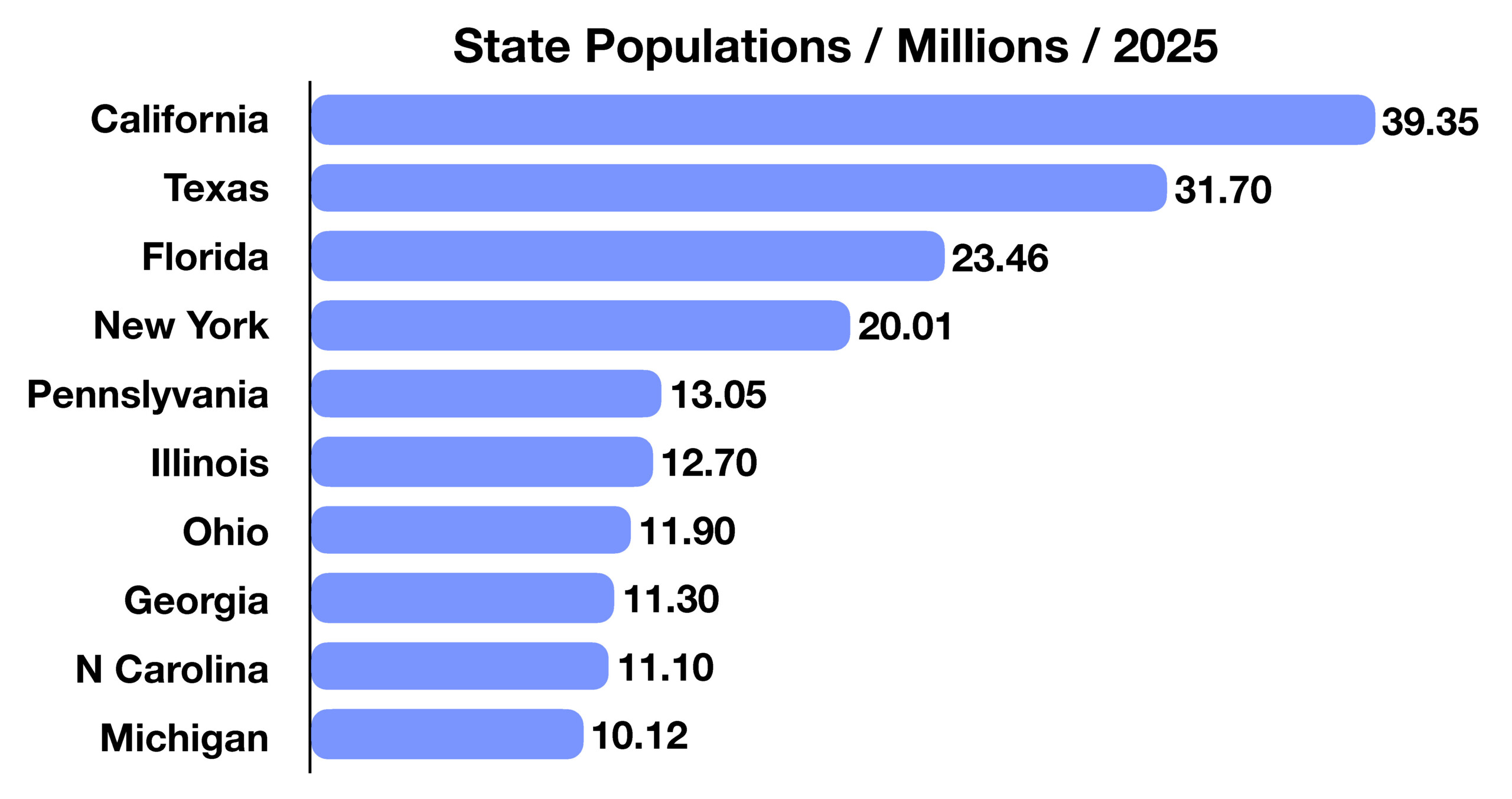
Among the high-tax states is California, which lost an estimated 250,000 residents to other states in 2025, according to The California Department of Finance. The Tax Foundation identified 18 states with low-tax rates bringing in new residents in 2024, while 17 of the high-tax states lost residents that same year. Regardless, the trend is continuing well into 2026, with residents across the country migrating to lower tax states in order to maximize their income. The widespread adoption of work-from-home employment during the pandemic was a catalyst for workers to seek lower tax states as work locations have become less of a factor.

Interestingly enough, as residents migrate from state to state, congressional seats may eventually become affected, as populations adjust from state to state. As the country’s most populous state with over 39 million, California’s loss may be a gain for other states. Even a slight migration of residents to Wyoming which has a zero state income tax rate, might bode well with a population no greater than 600,000. (Sources: U.S. Census Bureau, California Department of Finance)

What The Fed’s Beige Book Is Telling Us – Domestic Economy

The Federal Reserve released its economic overview of the nation in February. The overview is a monthly report known as the Beige Book, which encompasses surveys from the eleven Federal Reserve districts surrounding labor, consumer sentiment, prices, housing, manufacturing and finance.

Overall economic activity increased at a slight to moderate pace in seven of the twelve Federal Reserve Districts. Retail sales were dampened by economic uncertainty, increased price sensitivity, and lower-income consumers pulling back on spending. Auto sales were mostly down for Fed districts that reported on them, with many citing continuing affordability issues. Manufacturing contacts in many districts reported increases in new orders, and several cited boosts in demand from data centers and energy infrastructure. Firms in some districts and in various sectors looked to AI or other forms of automation to gain efficiencies, with most emphasizing the goal of productivity enhancement rather than worker replacement. Several districts reported that costs rose across several non-labor inputs, including insurance, utilities and energy, as well as metals and other raw materials. Nine districts mentioned that tariffs contributed to increased costs. Some firms continued to pass tariff-related cost increases through to their customers, and others began to do so after having absorbed previous increases. (Source: Federal Reserve)

 
the U.S. refines approximately 20% of the world’s oil

World’s Largest Energy Producer Has A Buffer – Energy Markets Overview

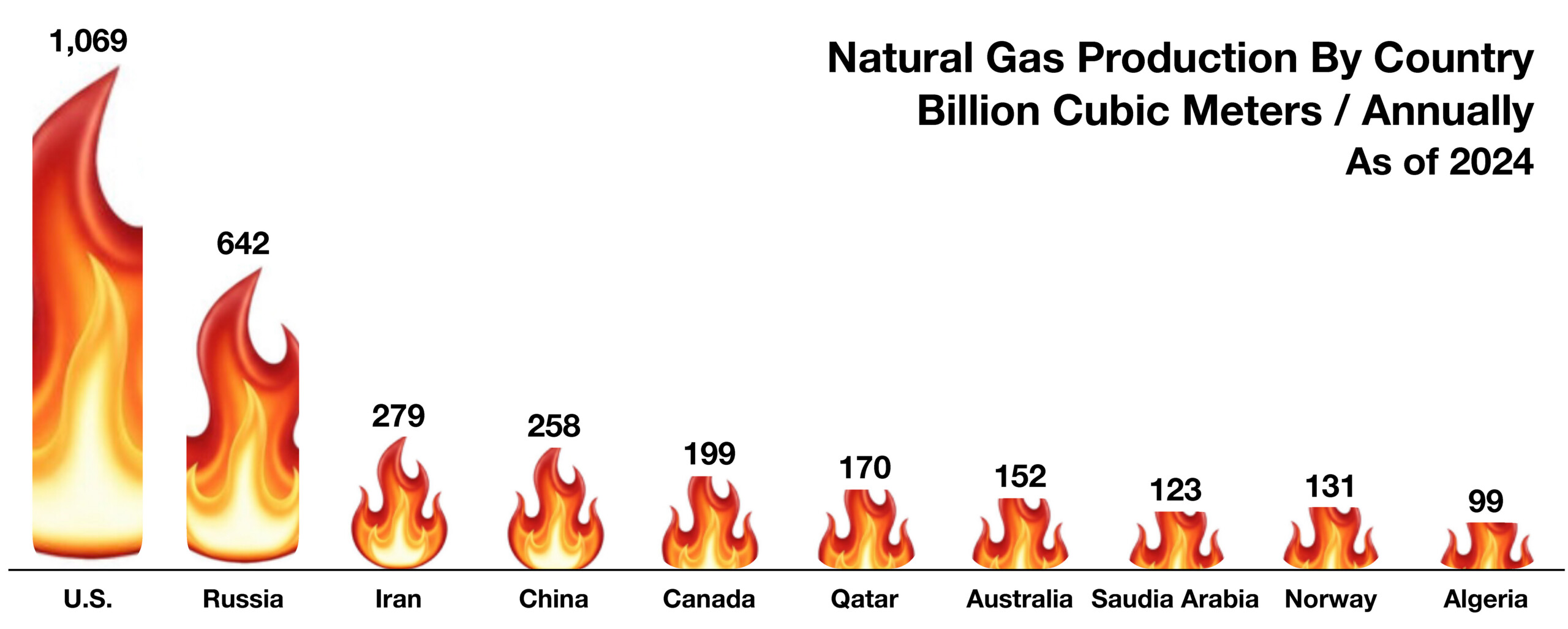
The Unites States is currently the world’s largest producer of oil and natural gas, making it an indispensable provider of energy to countries throughout the globe. The disruption of oil and liquid natural gas shipments through the Strait of Hormuz has propelled energy prices higher throughout the globe. Roughly 20% of the world’s oil passes through the Strait, heading to Europe, Asia, and the U.S. Imported oil into the U.S. is brought in for the primary purpose of refinement, since the U.S. refines approximately 20% of the world’s oil.

Higher oil prices abroad have led to higher gasoline prices in the U.S. because of supply disruptions caused by the Middle East conflict. Historically, extended supply disruptions have been mitigated in the U.S. because of the country’s ability to enhance drilling and production when needed. Ironically, elevated oil prices encourage America oil drillers and producers to increase output because of expanding profit margins.

The technology utilized by American energy companies in the U.S. is currently unparalleled relative to the rest of the world. Advancements in hydraulic fracturing, also known as fracking, along with developments in horizontal drilling have placed the U.S. at the forefront of technological achievements in oil extraction. Interestingly enough, natural gas is a byproduct of fracking, producing roughly 75% of total natural gas production.

Sources: U.S. Dept. of Energy, International Energy Agency